Jiǎozi
Beijing, Tianjin, Hebei, Shandong
China
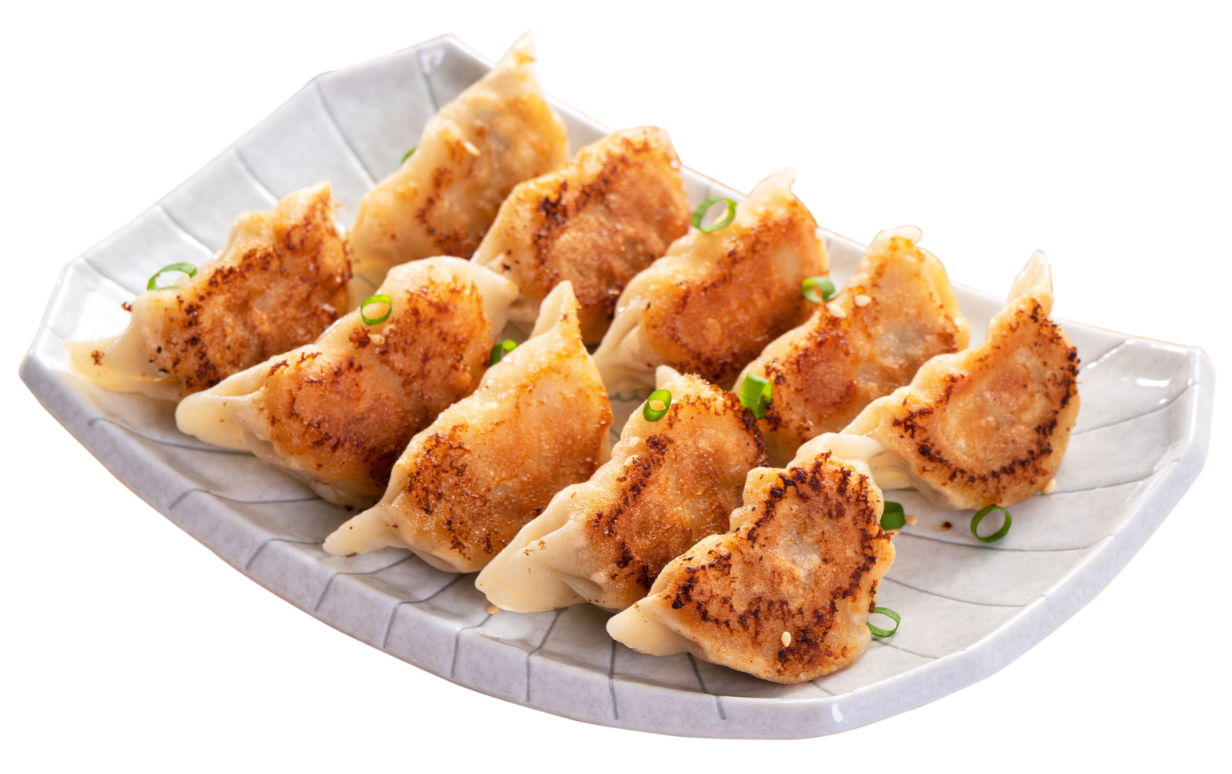
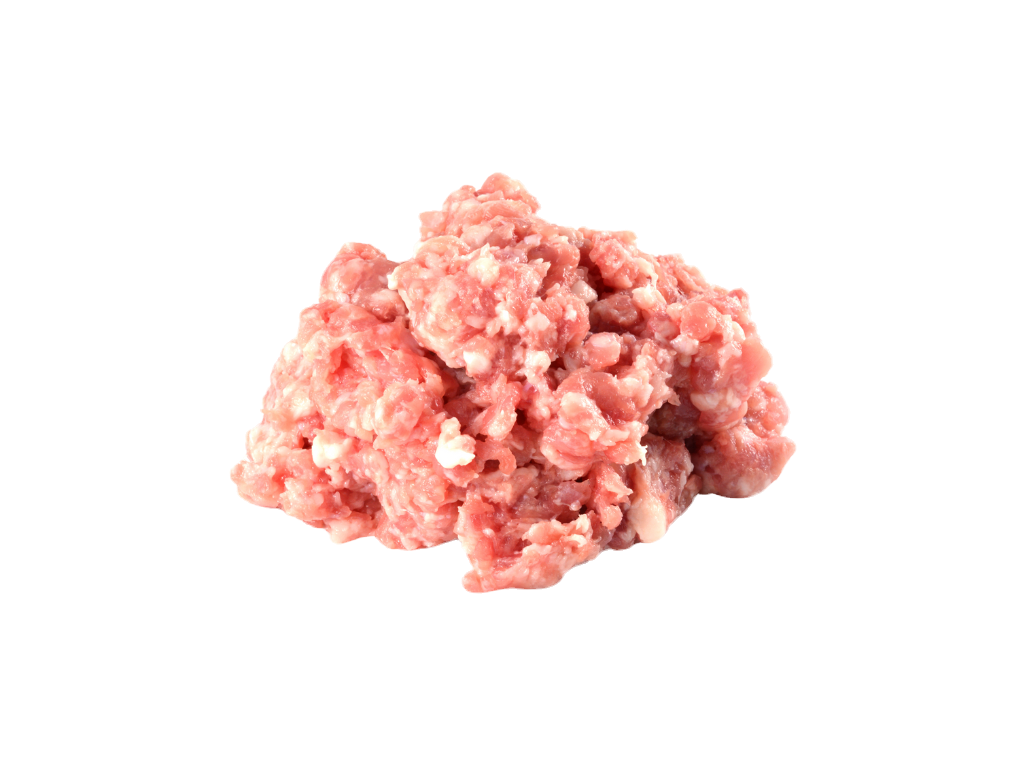
Jiǎozi are traditionally filled with minced meat and vegetables, wrapped in thin dough skins, and boiled, steamed, or pan-fried. They are a cornerstone of northern Chinese home cooking and one of the most beloved foods of the Lunar New Year.
Ingredients
.png)


The Story & Origins of This Dish
Jiǎozi (Chinese Dumplings) origin stretches back over 1,800 years to the Eastern Han dynasty, when the physician Zhāng Zhòngjǐng is said to have folded meat and herbs into dough to warm villagers during a harsh winter. The shape resembled ancient Chinese ingots, symbolic of wealth and good fortune, and gradually the dumpling became inseparable from the Lunar New Year.
In northern cities like Beijing and Tianjin, jiǎozi are as common as bread: eaten after school, shared on winter nights, sold from small street stalls, and made in enormous batches for celebrations. Yet their most powerful presence is in the home. On New Year’s Eve, families gather around wooden tables dusted with flour, rolling wrappers, spooning filling, and folding dumplings together. Grandparents teach children the pleat technique, stories are told, and conversations stretch late into the night. Each dumpling carries both flavour and belonging.
The fillings vary from region to region - pork with Chinese chives in Shandong, cabbage and shrimp in Dalian, lamb and carrot in the northeast. Some families hide a single coin inside one dumpling for luck, while others shape a few with special folds to bless the year ahead.
Boiled dumplings (shuǐjiǎo) are the most traditional, served with black vinegar and slivers of garlic. Pan-fried dumplings (guōtiē) appeared later, crisp on the bottom and soft on top, symbolising the adaptability of northern cooking.
Travel Kitchen Recipe